

Laparoscopic Surgery Malpractice
Many people are relieved to hear that the surgeries they need can be performed laparoscopically because the procedure seems less risky than traditional surgery. Laparoscopic surgery, however, carries its own risks that can cause serious bodily harm and even death. We are an experienced Medical Malpractice Law Firm and can assist you if this happens to you or a loved one.
Top Attorney Steven E. Clark
NO attorney in Oklahoma has won more medical cases at trial than Steve Clark.
We compassionately fight for your best interests and won’t take the easy way out.

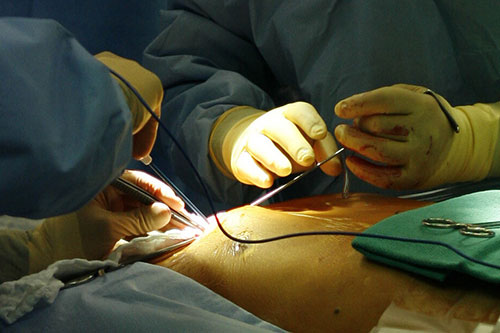
Errors in laparoscopic surgery illustrate a dilemma characteristic of medicine in the 21st Century: how must physicians adapt to the demands of technological advances? Laparoscopic surgery–also known as minimally invasive surgery–promises smaller incisions, faster recovery times, and better access for the surgeon to the organ involved in the procedure.
Originally and most commonly applied in gall bladder surgery, the use of laparoscopy has spread to cancer surgery, gastric bypass surgery, and gynecologic and urologic procedures.
Although this new advanced technology has helped a number of people recover more quickly, Laparoscopic surgery carries risks of its own. Some of the danger is related to the difficulty surgeons experience with the virtual manipulation of cutting tools while watching a monitor. Other areas for error seem to be inherent in the procedure itself.
If you have been injured by the negligent performance of laparoscopic surgery, or if you did not provide your informed consent to any of its realized risks, contact the experienced medical malpractice attorneys at Clark + Associates P.C.. We have represented clients who have suffered serious injuries as a consequence of botched laparoscopy.
Among the Risks of Laparoscopic Surgery are the Following Dangers:
- Severing the common bile duct with resulting infections or peritonitis
- Perforation of bowels or intestines
- Puncturing the aorta
- Electrical burns and serious infections in the areas surrounding the cut organ
- Sepsis
One of the attractions of laparoscopic surgery can also represent one of its dangers. Because of its minimally invasive nature, patients are released from the hospital much sooner than they otherwise would be.
As a result, there is little opportunity to observe the patient for complications, signs of infection, or toxic reactions in a clinical setting. If any of these do occur, the patient is unable to receive the necessary follow-up treatment as quickly as would be the case if he or she were still in postoperative recovery at the hospital.
If you or a loved one has been injured in laparoscopic surgery, contact Clark + Associates P.C. today an Experienced Medical Malpractice lawyer in Oklahoma. Our firm dedicates its practice to medical malpractice lawsuits; these cases are more complex, and if you or a loved one has suffered an injury due to a doctor’s or hospital’s negligence, you’ll want lawyers who spend a significant part of their practice dedicated to this single area of the law.
Free Consultation
Contact us today by phone or email; send us as many details as possible, including the facts of your case.

Latest News
Law Articles
Medical Malpractice: Legal Theory and Surgical Practice
Medical negligence is a very serious issue. Patients seek medical attention in the hope of receiving relief or a cure for their illness. There is a specific type of trust that is involved in a doctor-patient relationship that does not exist in any other kind of...
What is Clinical Negligence?
Clinical negligence, medical negligence, and medical malpractice are all terms that can be used interchangeably and mean the exact same thing. Clinical negligence is defined as a negligent action of a medical care provider that caused harm, through injury or illness,...
Medical Negligence: Common Type and Claim Requirements
Know about Medical Negligence When you think of medical negligence, the first thing that comes to mind is surgical errors. Everyone has heard the horror stories of operations performed on the wrong body part or the wrong patient. We have all heard stories of sponges...